
Wiurila's manor
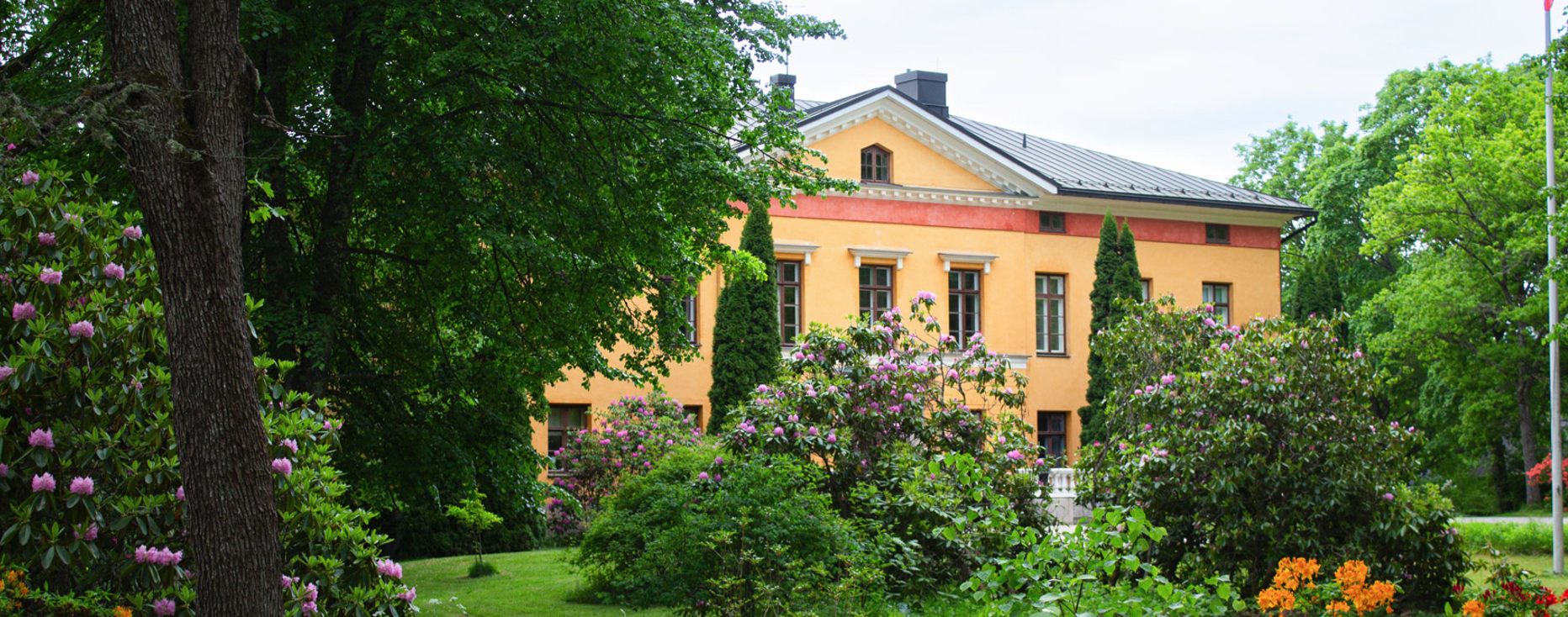
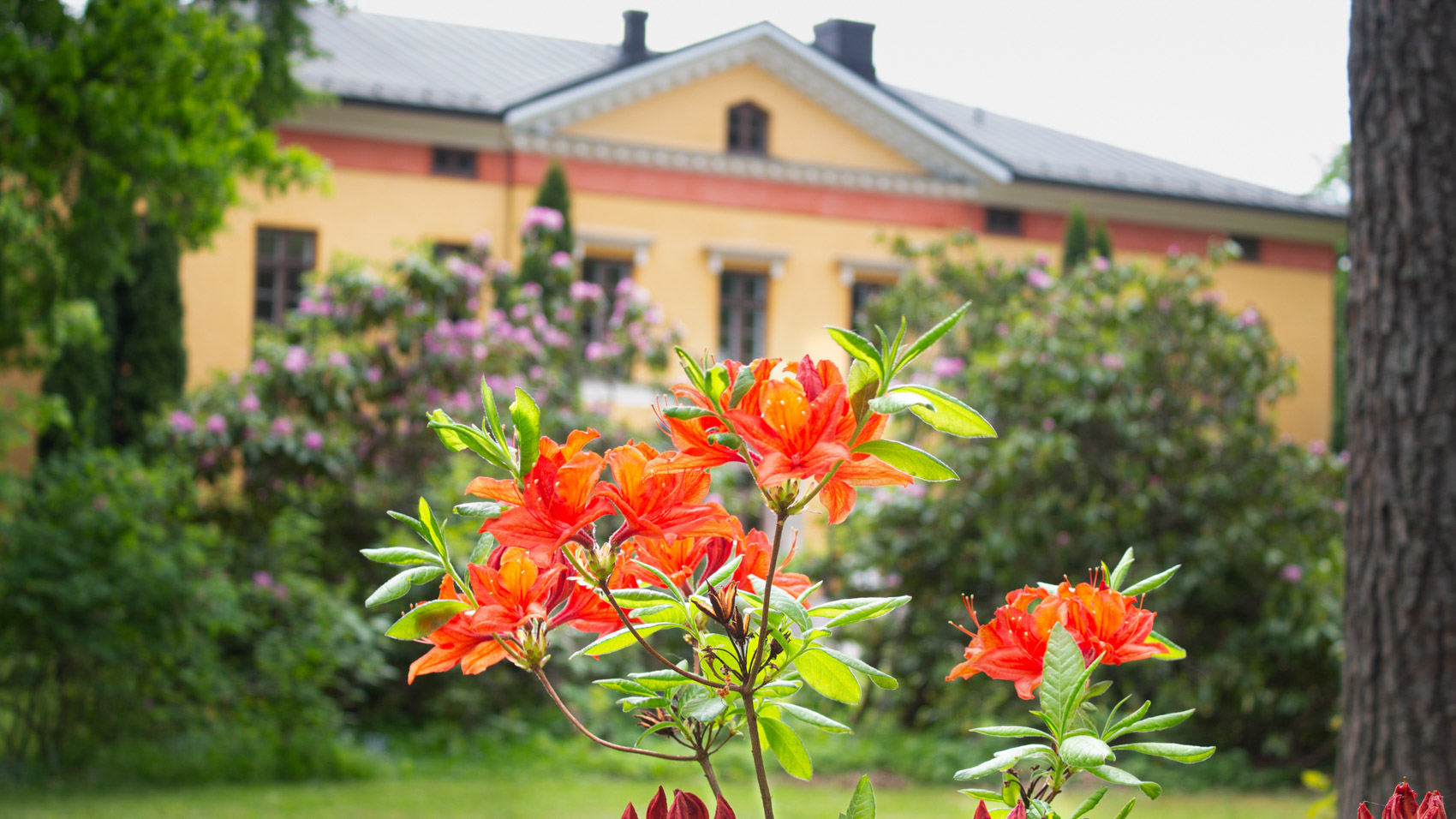
Welcome to Wiurila to experience enchanting moments. This splendid manor estate located in Halikko offers a wealth of sights and activities for all ages. Wiurila situates near Route 110, just seven kilometers from centrum of Salo so it is easily accessible for a quick lunch, museum tours and just a delightful visit in a beautiful manor surrounding.
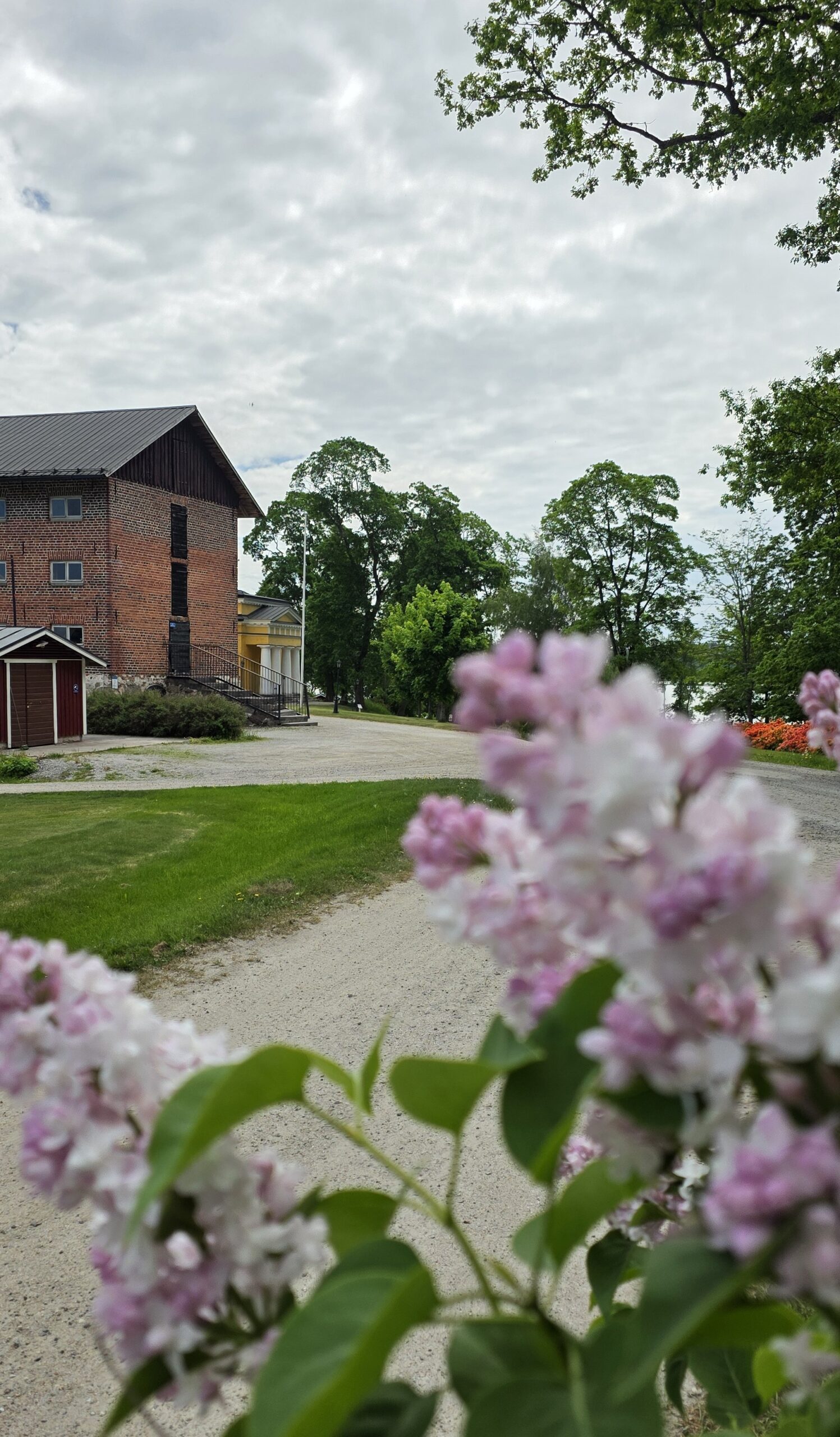
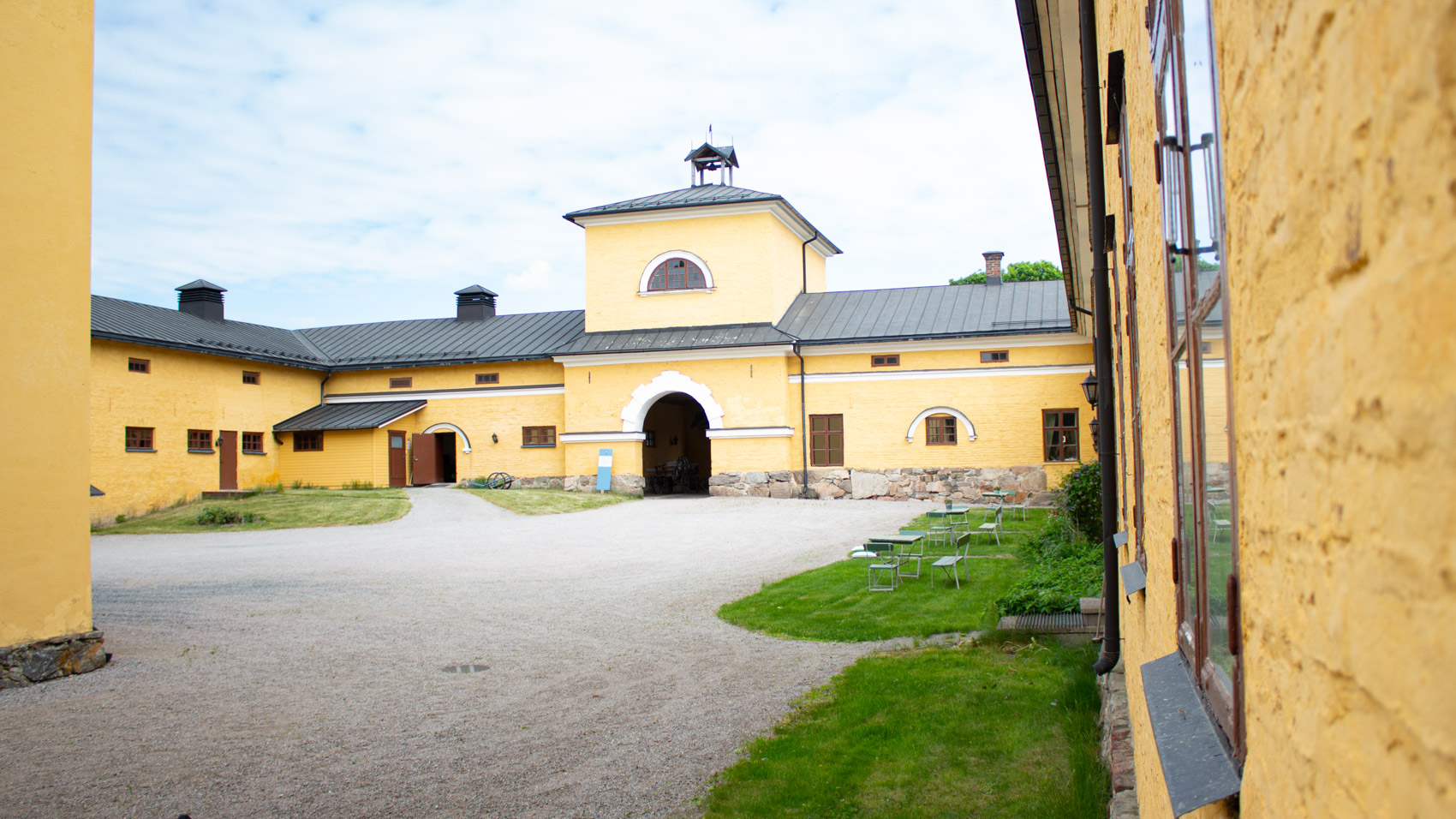
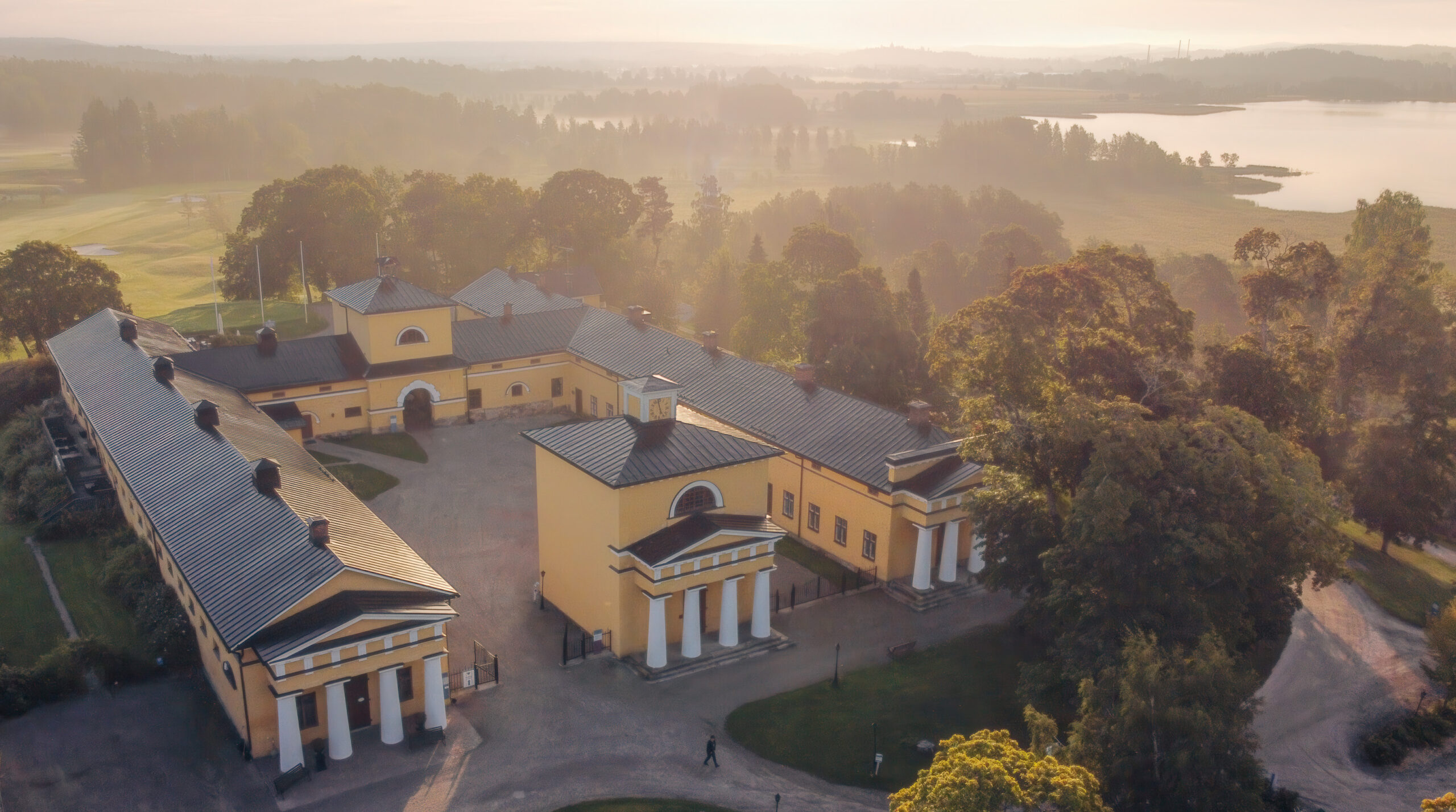
At the heart of the manor estate area is a large farm’s central building designed by C.L. Engel, featuring the restaurant Wiurilan Sigrid with its delicacies and sunny terraces. Travelers can also enjoy comfortable accommodation in the guesthouse located opposite the restaurant. The charming manor Home Museum, which displays artifacts used by the Armfelt family, and the unique Horse Carriage Museum, showing means of tranportation from the 19th century onwards, are also found here.
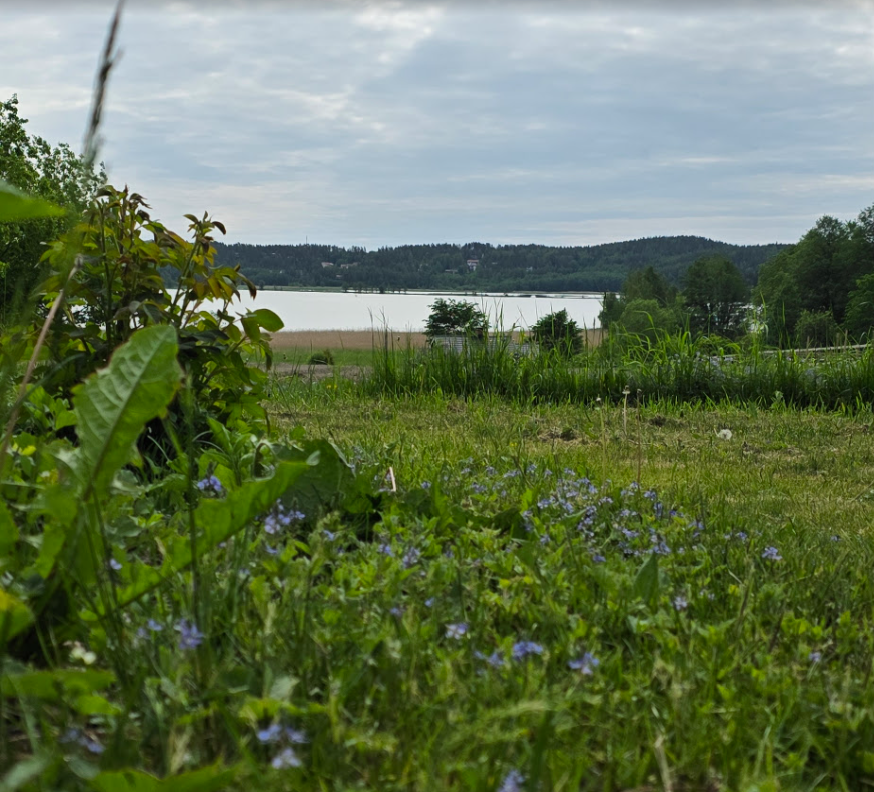
The area is surrounded by beautiful nature and a park with abundant rose gardens. Full golf courses unfold a rolling, historic landscape for both players and hikers alike. Wiurila offers a view of the sea. The birdlife of Halikonlahti, including the regionally dwelling eagle and the nocturnally hooting owl, will surely interest enthusiasts.
Wiurila's history in short
The Wiurila history briefly reviews Wiurila’s milestones.
Prehistoric times
The northern part of Halikonlahti Bay has been inhabited since at least the Bronze Age (1500 BC – 500 BC). Scandinavian merchants traded with the area’s inhabitants at the time, exchanging local furs and food for weapons and jewelry.
Wiurila from the 15th to the 18th century
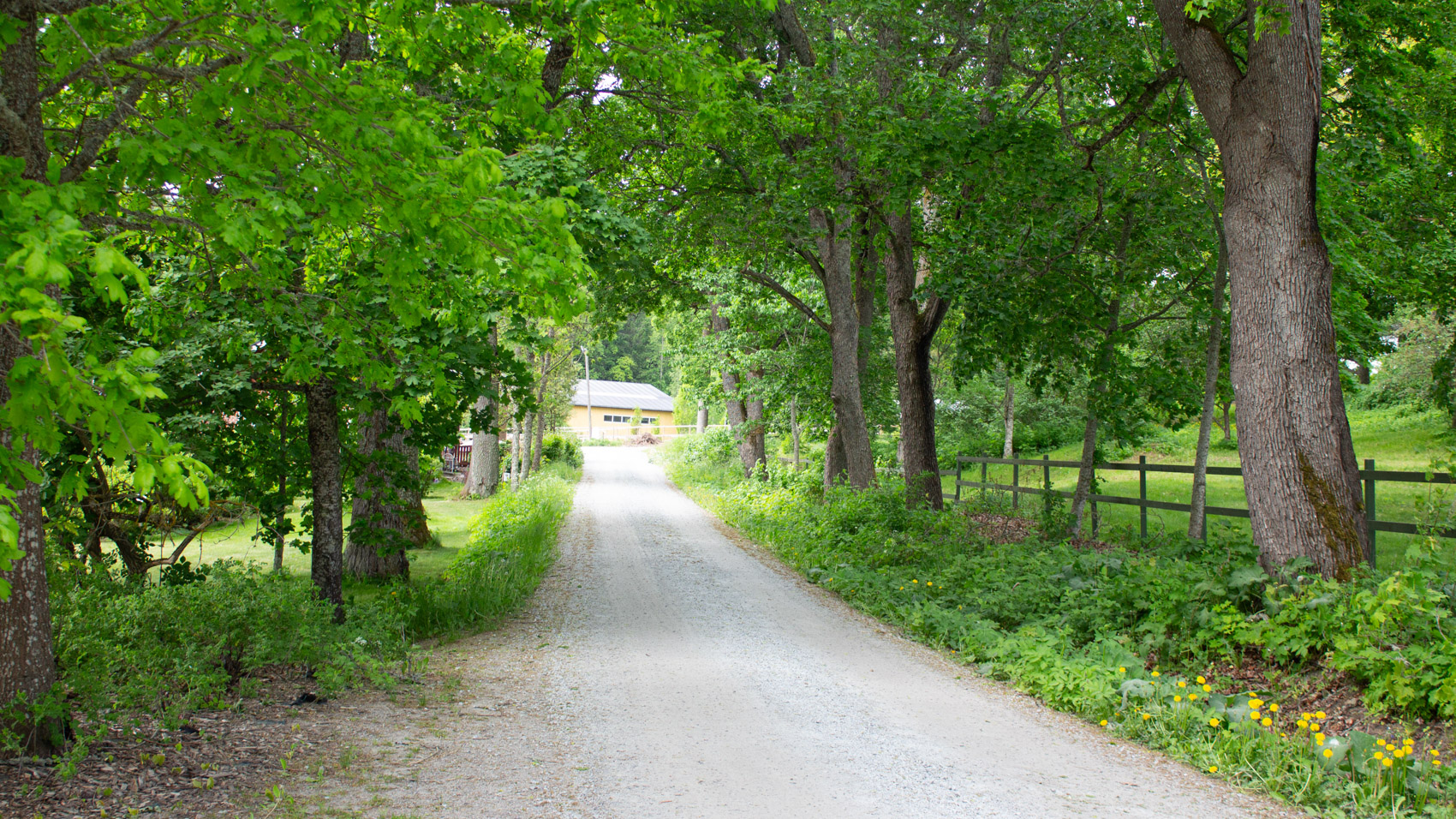
The first written mention of Wiurila dates back to the 15th century, when Magnus Johansson till Viorela is mentioned as the owner. During these centuries, the manor was owned by, among others, the Flemings, the Mannerskölds and the Cronstedts.
The owners often lived mainly on their other estates, e.g. in Sweden. At that time, Wiurila Manor was rented or looked after by servants. During this time, its condition deteriorated. An inspection report made in the 1680s mentioned that the manor had been in the possession of bailiffs and tenants who had not always shown “sufficient interest in the interests of their lords.”
The Armfelt era begins in 1787
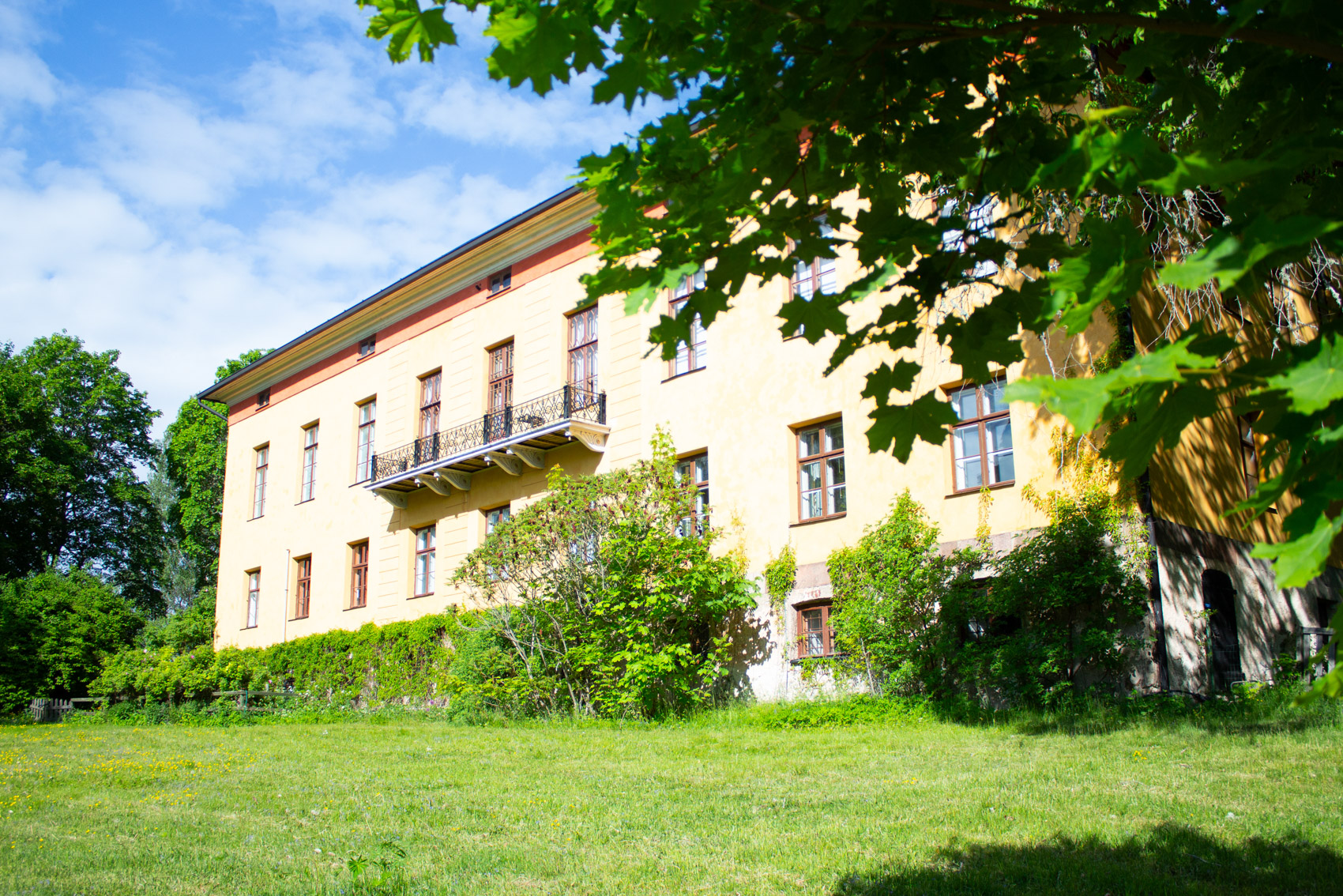
Freeman Magnus Wilhelm Armfelt bought the Joensuu (Åminne) and Vuorentaa manors from Herran in 1786 and Wiurila in 1787. His elder son, the famous Gustav Mauritz, received the Joensuu statutory estate, and the younger August Philip received the Wiurila and Vuorentaa manors in 1803.
August Philip had a new main building built, as the old wooden main building had fallen into such poor condition. The Italian Carlo Bassi was chosen as the architect. Construction began in 1806. Completion was delayed by the Finnish War between Sweden and Russia in 1808–1809.
The main building is completed in 1811
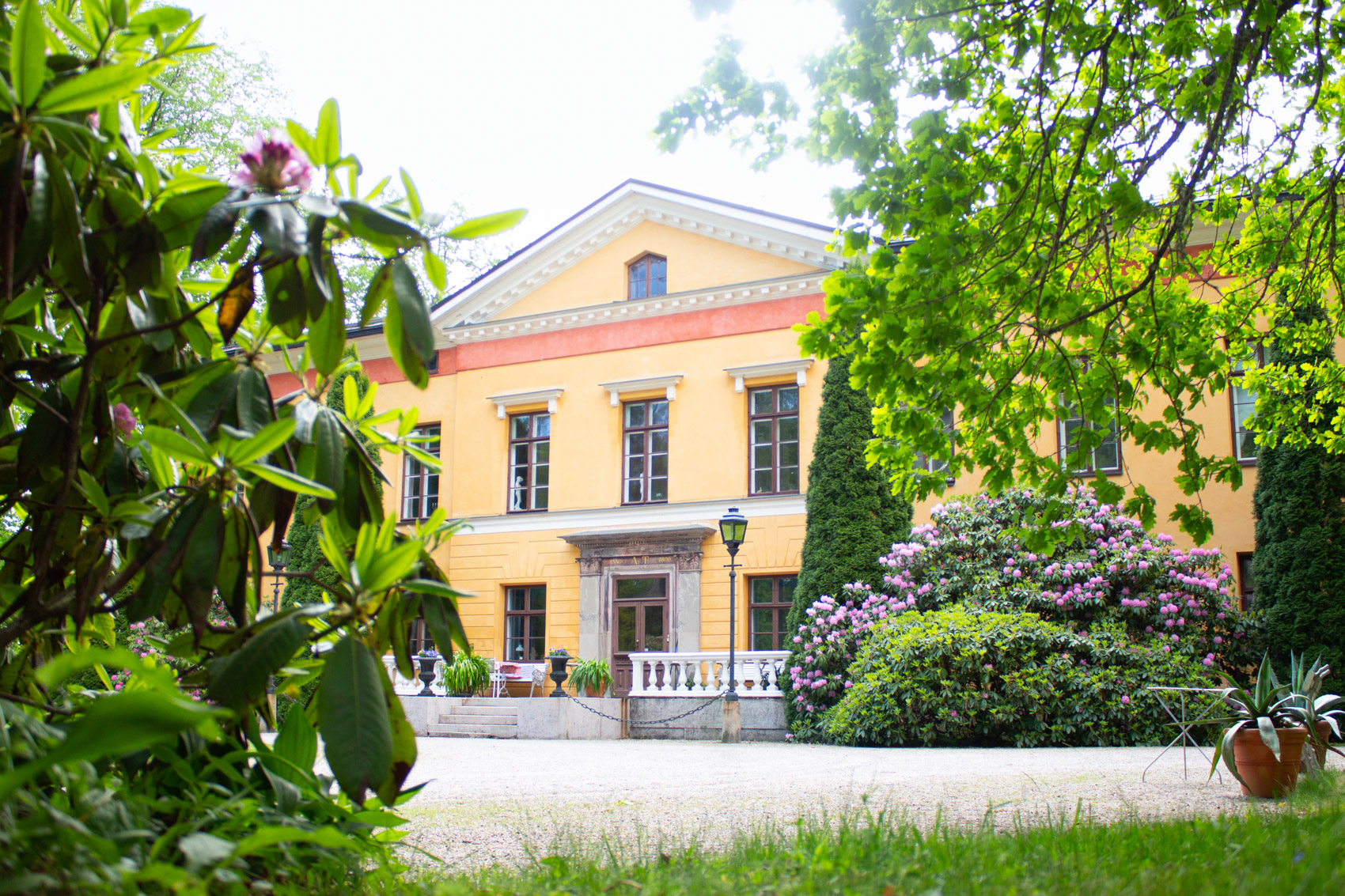
The main building of Wiurila, with its clear lines and restrained Swedish neoclassicism, was completed in 1811. August Philip moved into the main building with his family in 1814, after which the building has been continuously inhabited by his descendants.
The basement of the main building had a small kitchen and many storage rooms. The first floor had kitchen facilities and servants’ rooms. The second floor had a hall, salon, library and the master’s bedrooms. The attic was on the top floor.
The growing splendor of Wiurila in 1826 - 1846
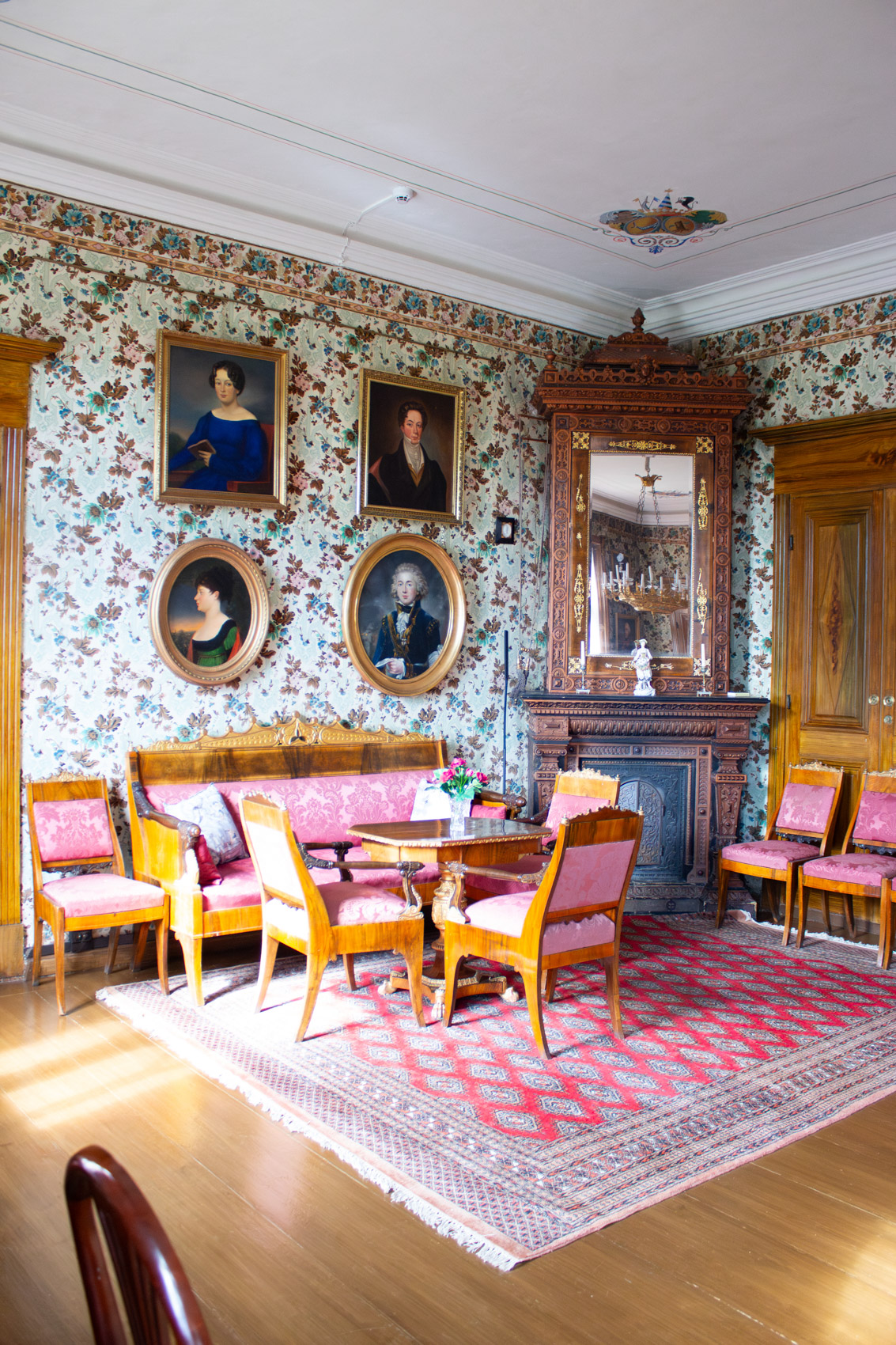
Count Magnus Reinhold Armfelt inherited Wiurila in 1826. He improved the interior of the main building together with his wife Gustava (Vava) Armfelt and had the outbuilding built between 1835 and 1845. According to tradition, the designer was Carl Ludvig Engel. The parts of the building surrounding the spacious courtyard of the farm building contained a barn, stables, a tea room, workers’ apartments, a bakery, a manger room, and a grain store. The bricks needed were made in the farm’s own brick factory.
Wiurila's golden age 1846 - 1893
Magnus Reinhold’s eldest son August Armfelt took over the farm in 1846. He intensified agriculture and forestry and established, among other things, a dairy, a dairy school, a distillery, a brewery, a brick factory, mills, and sawmills in Wiurila. August drained the fields with the drainage pipes of his own brick factory and sowed hay in the fields for the cows. This was new in 19th-century Finland. August expanded his land holdings significantly and, according to the story, he was able to travel along his own lands from Wiurila to Turku.
Declining Wiurila 1893 - 1968
After August Armfelt, the manor was taken over by his son Carl August in 1893, during which time Wiurila lost all of its outdoor space and most of its land. Because Carl August was considered a figurehead among his subordinates, Wiurila’s main building was spared from explosion and he and his son were spared from execution during the civil war.
During the wars, Salo was bombed several times, but Wiurila was spared from more serious damage. The residents of Salo’s nursing home were moved to the safety of Wiurila. After the war, most of the manor’s land was distributed to Karelians and front-line soldiers who had lost their homes. Carl August died in 1942, after which his wife Juliane remained to live in the main building.
Farming and horse management 1968 – 1990
Carl August and Juliane’s daughter’s daughter, Anna-Louise Standertsköld (Anna-Lisa), took care of Wiurila at the age of 21 in 1951. Juliane died in 1968, after which the Wiurila lands, buildings and movables were divided between the four children according to Carl August’s will. Therefore, the movables of the main building were sold at auction.
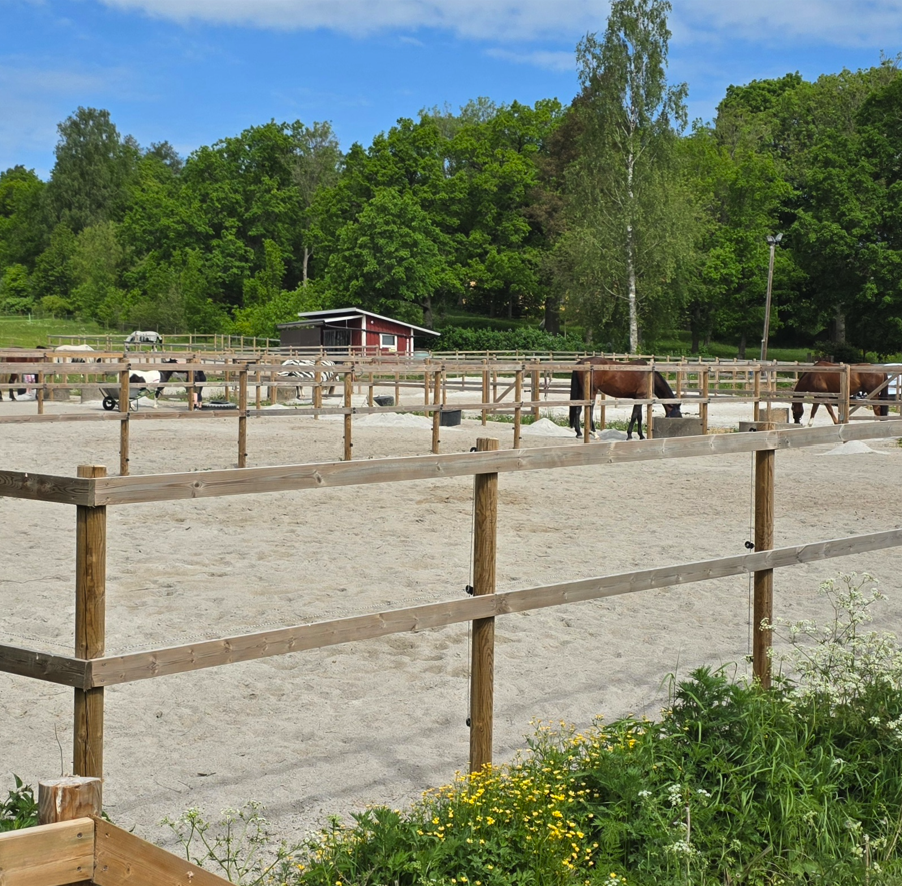
Finally, Anna-Lisa bought the main building of Wiurila for herself in 1968. At that time, in addition to grain, corn was grown in Wiurila, and beef cattle and pigs were raised. Anna-Lisa invested in her horse hobby by building a horse stable in the old distillery in the 1970s, as well as a riding school in 1995 and a horse museum in 1997. The rhododendrons, azaleas and numerous different rose varieties that grow in Wiurila are the work of her husband Günter.
A new dawn arising for Wiurila 1990 - 2020
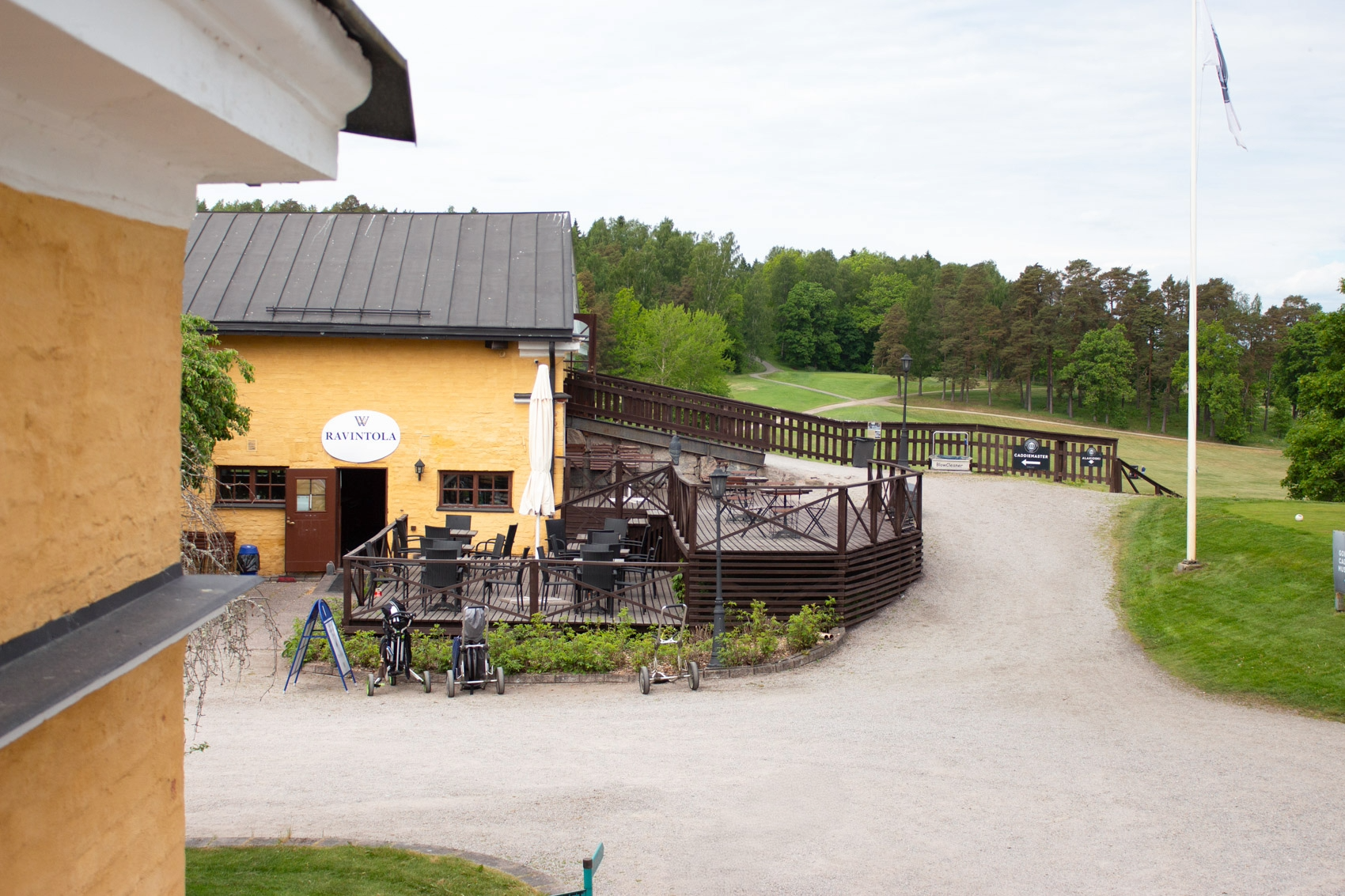
The ownership of Wiurila was transferred to Anna-Lisa’s daughter Anne Marie Aminoff in 1989 – 2021. Through partial generational changes, Wiurila developed into a tourist and recreational destination. The Wiurila golf course was opened in 1991, after which a guesthouse and restaurant were built in Wiurila in 1997. The operations expanded with a ballroom, offices, a home museum and a Christmas gift shop in the early 2000’s. Due to a significant repair debt, Anne-Marie renovated rental apartments, art exhibition spaces, and other spaces.
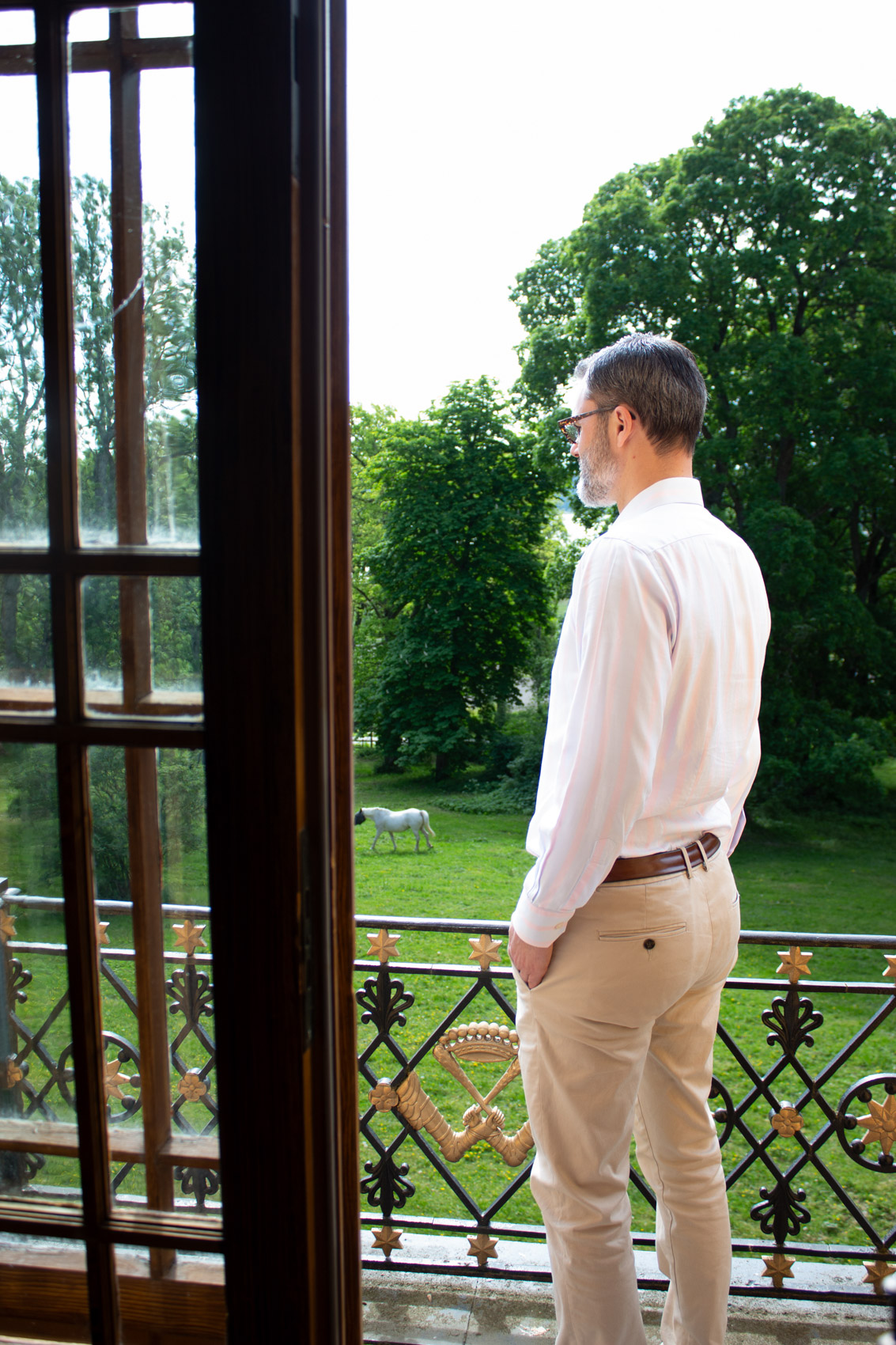
Wiurila opens its doors in 2020 -
Wiurila has remained in the ownership of Magnus Wilhelm Armfelt’s descendants for 239 years. In 2024, a generational change took place at Wiurila. As a result, Wiurila became a limited liability company. Wiurila is managed by Anne Marie’s son Alexander Aminoff, the ninth generation owner of Wiurila.
The new owner’s goal is to make Wiurila a well-known destination where you can enjoy the beauty of the historical cultural environment, museum visits, guided tours and restaurant offerings. Companies, associations and private individuals can organize events and parties in Wiurila’s meeting and banquet facilities. Tourists can also stay overnight at the Wiurila guesthouse. Wiurila also has a full-scale golf course and horse stables.
Come to Wiurila!
Book a Wiurila Museum Tour:
- all 3 museums
- Main building tour
- Home and horse-drawn carriage museum tour
- History
Book by sending an email to wiurila@wiurila.fi or calling 0400 121 900 or book via the booking website below.
Frequently Asked Questions
Here are some answers to questions you might have about the Wiurila Manor.
Wiurila is first mentioned in 15th century documents, where the owner is mentioned as Magnus Johansson till Wiorela.
The manor descended originally from mother to daughter until the year 1787. The families in those times were the Flemings, the Mannerskölds, and the Cronstedts. After year 1787 the families in the manor have been the Armfelts, the Standertskjölds, and the Aminoffs.
The Neoclassical main building was designed by the Italian architect Charles Bassi. It was commissioned by August Philip Armfelt. The construction began in 1806, and the building was finished 1811. The central economy building was designed by Carl Ludvig Engel, and it was built 1835 – 1845.
Alexander Aminoff is a ninth generation Master of the Manor. He wants to bring the natural beauty and the services of the manor available to all. Through the generational transfer Wiurila has become a Limited Company (Ltd), and Aminoff is the Managing Director of Oy Wiurila Ab.
The objective is to make Wiurila known through the country as an attraction where you can stay over the night, enjoy yourself, hold meetings, and eat every day of the year.
Wiurila has a Home and a Horse Carriage museum. These museums exhibit the history of the manor and the life of the Armfelt family in the 19th century. In the horse carriage museum there are e.g. royal carriages that have carried Karl XVI Gustav and queen Silvia of Sweden.
The Finnish Heritage Agency has designated the Wiurila manor as one of the Built Cultural Heritage Sites of National Significance. According to Aminoff the main building is from the period of Swedish rule in Finland and its interior decoration is from the period of Russian rule. Wiurila is situated in the oldest inhabited area in Finland.
The Maaseutumatkailuyrittäjät ry (Finnish Association of Rural Tourism Entrepreneurs) has elected the Wiurila manor as “Vuoden 2026 kehittyvä Maaseutumatkailuyritys” (the Developing Rural Tourism Enterprise of 2026). The selections criteria emphasised the determined renewal of the manor, where strong cultural heritage is combined with courageous development and entrepreneurship of the new generation.